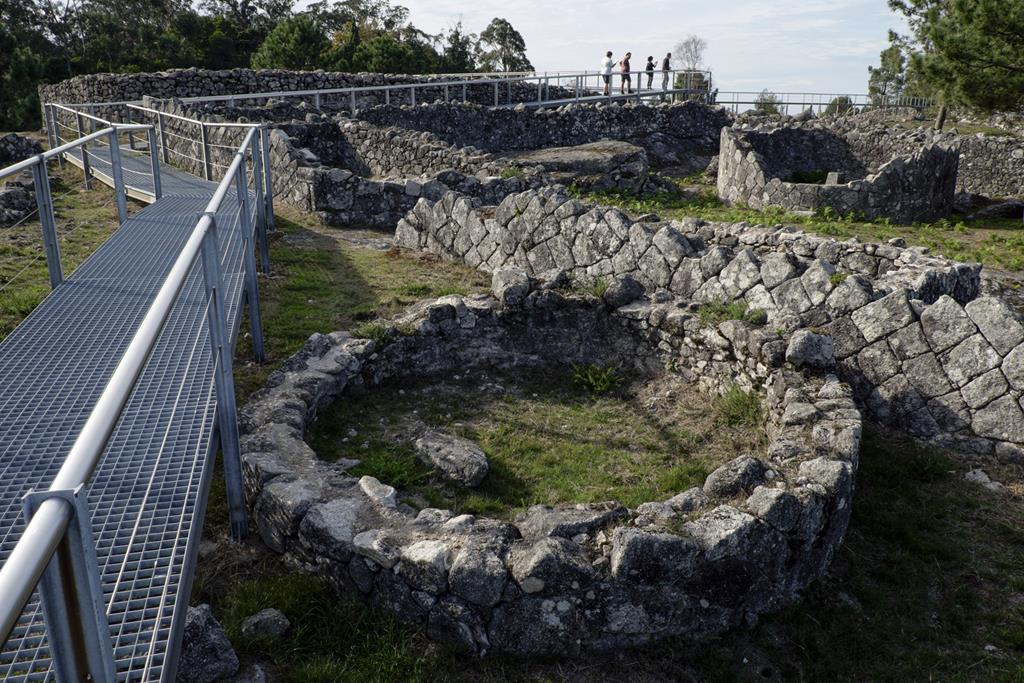

1. What Are the Castros?
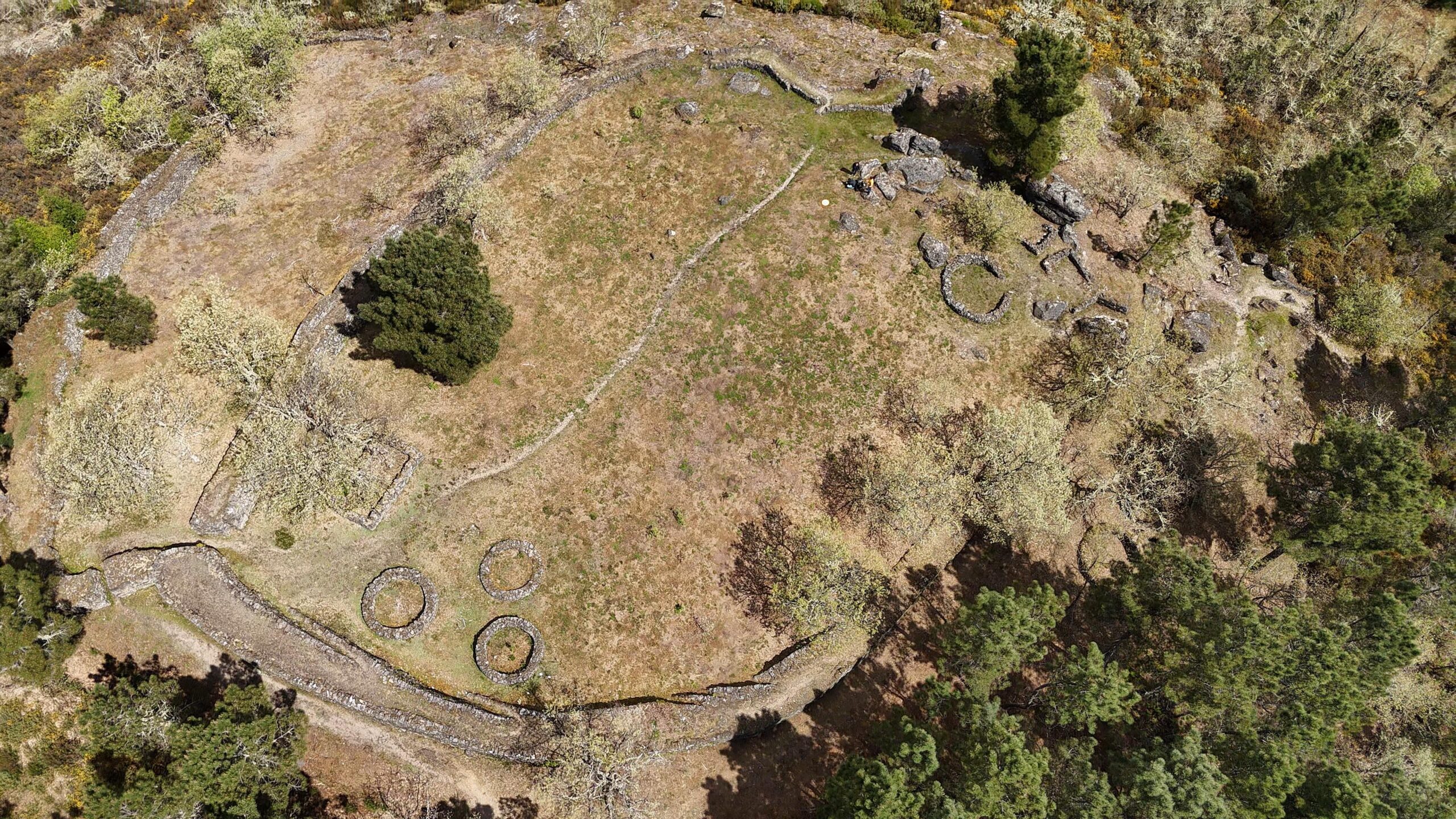
Castros are ancient fortified settlements dating back to the Iron Age, built between the 9th century BCE and the 1st century CE across various regions of the northwestern Iberian Peninsula. Typically situated on natural elevations?such as hills, mounds, or mounts?castros are notable for their defensive structures, including walls and ditches, as well as their circular or oval urban organization. (18px)
These settlements were the center of life for agro-pastoral communities, which developed an economy based on agriculture, livestock raising, and, in many cases, metallurgy. Their longevity and visible presence in today?s landscapes make them a remarkable testimony to pre-Roman life on the Iberian Peninsula. (18px)
2. A History of Resistance and Transformation
The development of castros is closely linked to the transition from nomadic to sedentary societies, at a time when communities sought stability, protection, and control over local resources. (18px)
These settlements were inhabited over centuries, sometimes resisting Roman influence, which began intensifying from the 2nd century BCE. Some castros were abandoned upon the arrival of the Romans; others were adapted, Romanized, or transformed into new administrative centers. (18px)
This cultural overlap contributes to the complexity and richness of the castro archaeological record. These are places where indigenous memory and imperial transformation coexist in visible historical layers. (18px)
Lorem ipsum dolor sit amet, consectetur adipiscing elit.
3. Architecture, Daily Life, and Social Organization (40px)
The structures of a castro reflect a high capacity to adapt to the natural environment and a relatively sophisticated social organization. (18px)
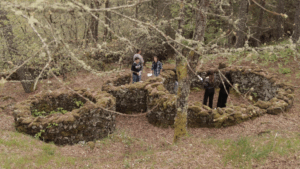
Settlements were generally surrounded by stone walls built with advanced techniques and featured controlled access points with reinforced entrances. Houses, often circular in plan, were built with stone walls and covered with vegetal materials such as thatch or straw. (18px)
Internally, castros were organized into family units, with living areas, storage spaces, animal enclosures, and communal areas. These elements reveal a vibrant communal life, with economic, ritual, and political ties, sometimes evidenced by finds such as cult objects, pottery, and metal tools. (18px)
4. Barroso and the Castro Legacy (40px)
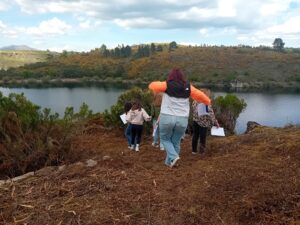
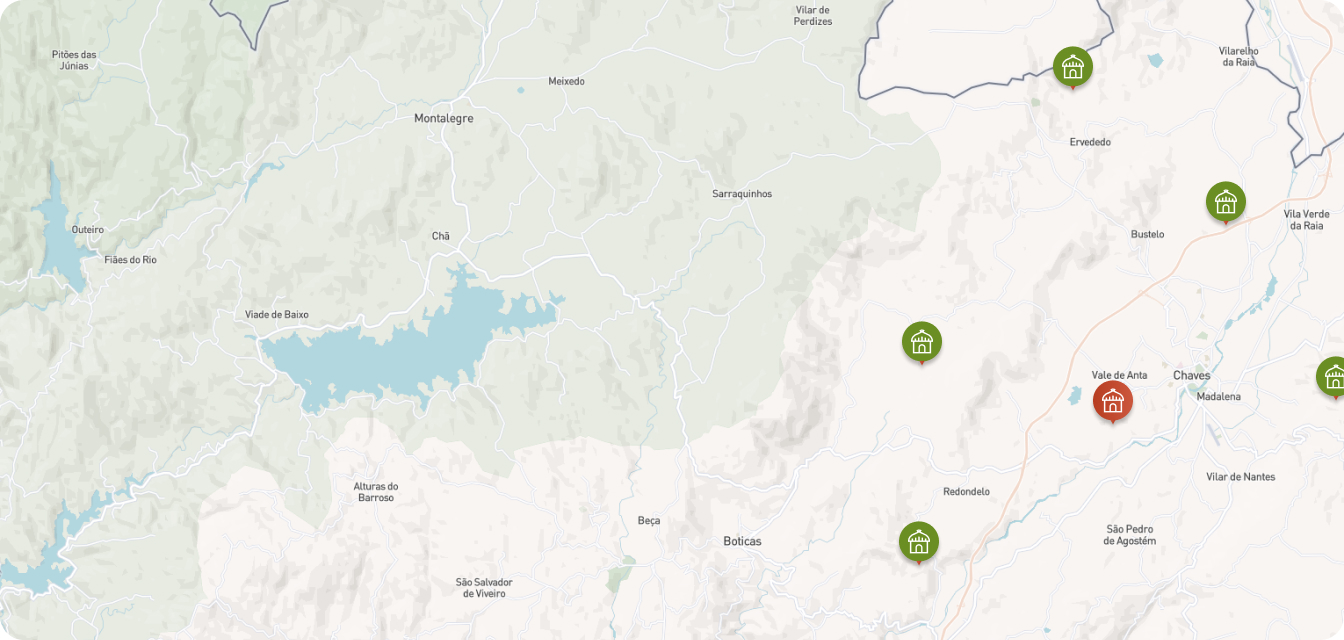
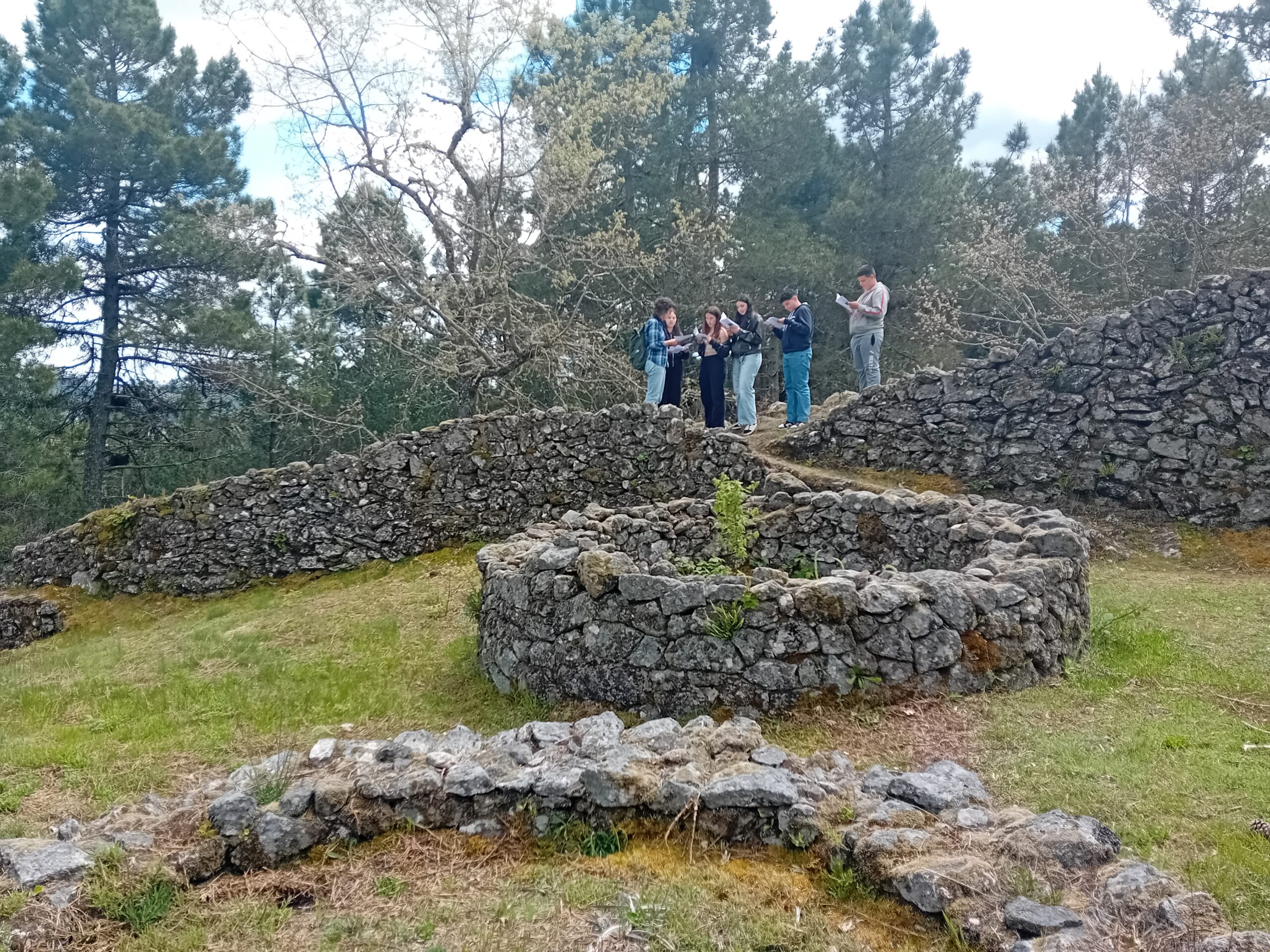
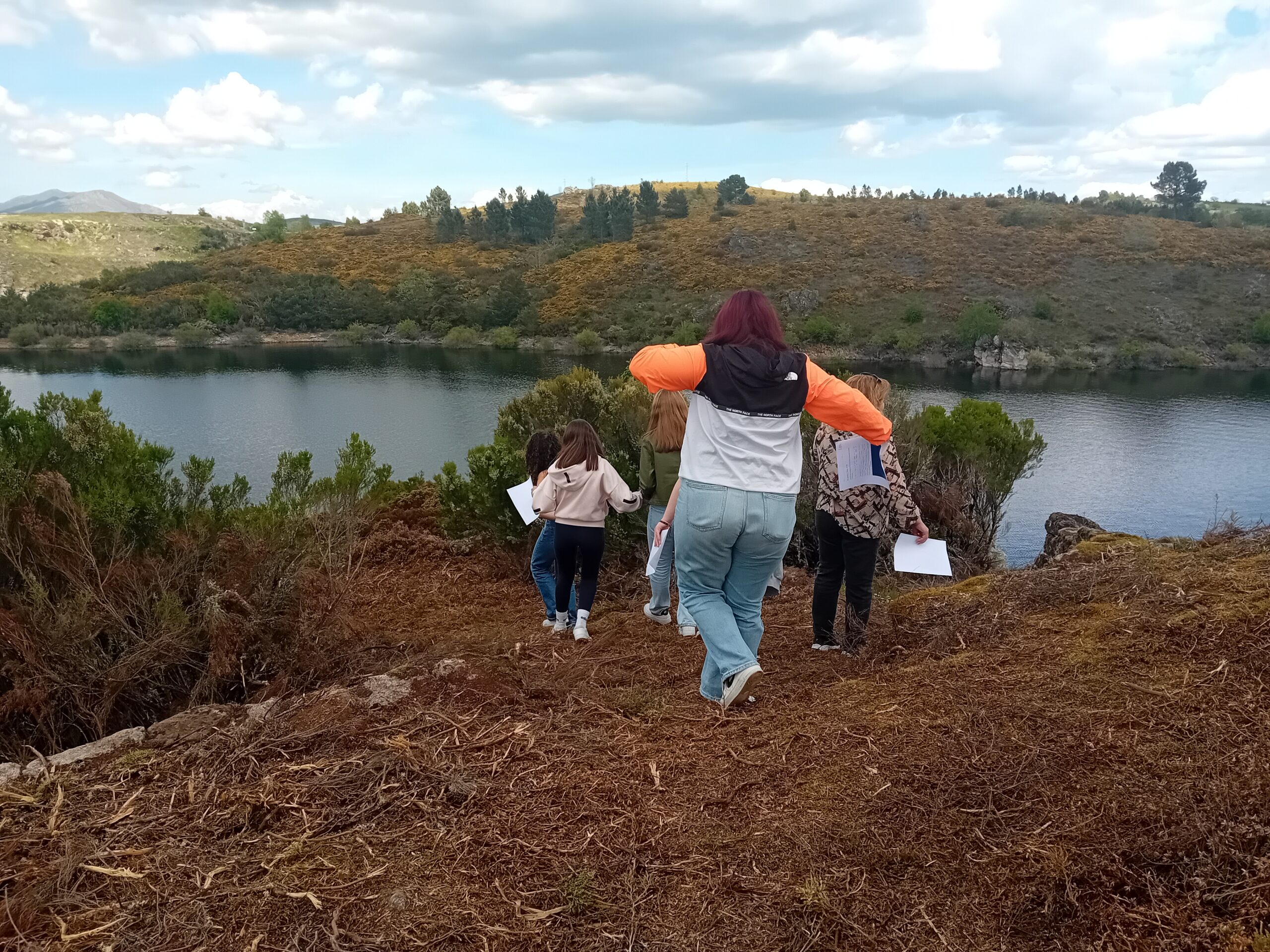
The Barroso region, located in northern Portugal in today?s municipalities of Montalegre and Boticas, is a true archaeological sanctuary of castros. (18px)
This territory, characterized by granite mountains, pastures, forests, and rivers, preserves dozens of identified castro sites, many of which remain largely unexcavated. The persistence of geographic isolation, combined with traditional ways of life, has allowed the preservation of many of these sites with little or no modern urban destruction. (18px)
The castros of Barroso tell a story of resistance, rootedness, and belonging. They are material testimonies to the temporal depth of human occupation and the community roots still expressed today in the region?s agricultural and social practices?earning recognition from the FAO as an Important Agricultural Heritage System (IAHS). (18px)
Lorem ipsum dolor sit amet, consectetur adipiscing elit.
5. The Atlas of the Castros of Barroso: A Shared Knowledge Project (40px)
The Atlas of the Castros of Barroso is an initiative to map, study, and disseminate information about the region?s castros. This collaborative and scientific project aims to systematize existing knowledge, promote archaeological research, and encourage local community involvement in the valorization of this heritage. (18px)
Through the creation of an accessible digital repository, the Atlas provides detailed information on the location, characteristics, conservation status, and potential of each identified castro. (18px)
Additionally, it functions as an educational tool, allowing schools, cultural centers, visitors, and researchers to deepen their engagement with this historical legacy. The Atlas serves as a bridge between ancestral memory and contemporary challenges in heritage preservation. (18px)
Related Articles